A Look at Fintech in Real Estate
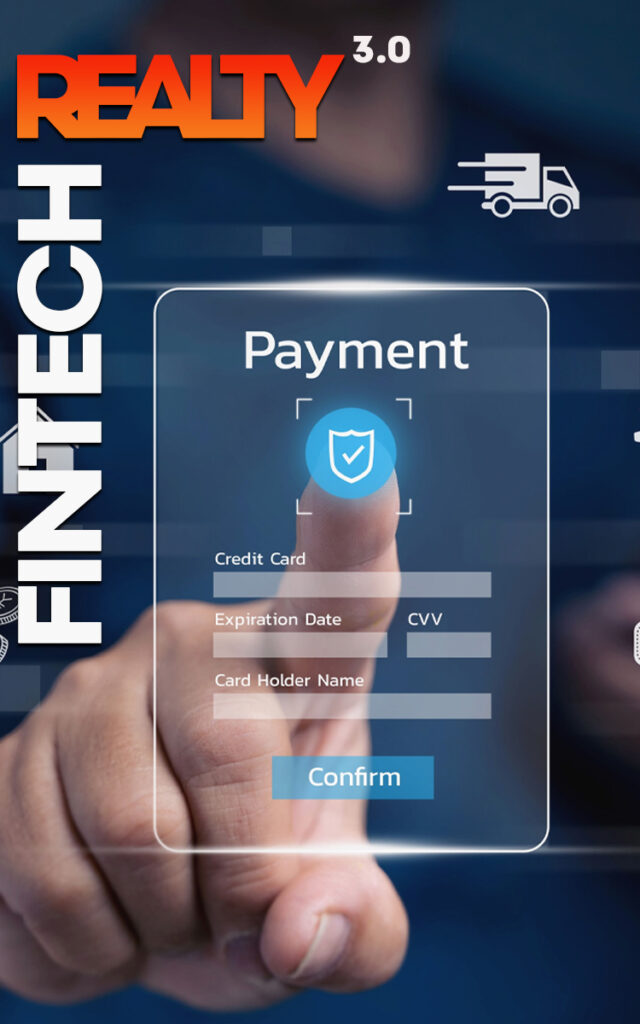
The primarily focus on Fintech’s role in the real estate industry, which is referred to as Real Estate Fintech. This sector utilizes technology-based platforms to streamline the trading of real estate assets, encompassing various forms of ownership like freehold, leasehold, shares, funds, debt, or equity. Real Estate Fintech can be understood as a sub-category of Fintech and a vital segment within Proptech.
Key Drivers and Applications of Real Estate Fintech
Several factors have contributed to the rise of Real Estate Fintech:
- Demand and Supply: The market involves a diverse, widely distributed source of demand from individuals and businesses seeking to buy or rent property. Similarly, the supply side features a wide range of properties available globally.
- Inefficient Traditional Processes: The absence of a dominant, efficient mechanism to connect buyers and sellers in the traditional real estate market presents an opportunity for Fintech to optimize these processes.
- Potential for Profitability: The potential for financial gains exists for buyers, sellers, and intermediaries, particularly due to the substantial transaction costs associated with traditional real estate dealings.
- Scalability: The vast global real estate market offers significant scalability potential for successful Real Estate Fintech ventures.
The sources highlight various applications of Real Estate Fintech across different stages of the real estate process, mirroring the “funnel” concept conceived by MIT’s innovation lab:
- Research and Information: Platforms like Datscha, Geophy, Kensee, and Mashvisor provide investors with data and analytics by aggregating information from public and private sources. They aim to enhance transparency in a traditionally opaque market.
- Residential Sales and Lettings: Companies like Zillow, Trulia, Rightmove, and Zoopla have successfully established themselves as information providers, enabling users to search and list properties online. Newer entrants such as HouseCanary leverage AI and machine learning to provide real-time property valuations, aiming to expedite transactions and increase market liquidity.
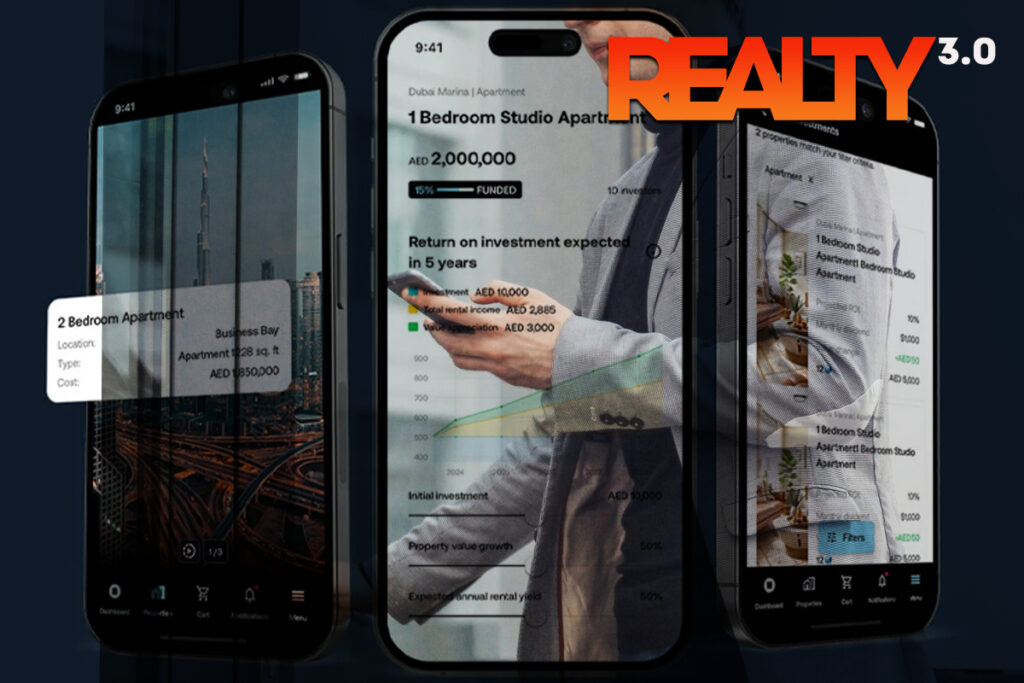
- Crowdfunding and Equity Raising: Platforms like Brickvest, Property Partner, and Capitalrise facilitate real estate crowdfunding, allowing investors to pool funds and invest in property ventures. This model seeks to democratize access to real estate investment opportunities.
- Debt and Mortgage Tech: Fintech platforms such as SoFi, LendingHome, and LendInvest are disrupting traditional mortgage lending processes by leveraging technology to streamline applications and offer competitive loan products.
- Commercial Property Leasing and Portfolio Management: Companies like VTS provide real-time portfolio analytics and leasing management tools for landlords and brokers. This technology aims to enhance efficiency and transparency in commercial real estate management.
- Disposal and Secondary Market Exchanges: Emerging platforms like Opendoor and Nested facilitate quicker property sales by acting as intermediaries or market makers. IPSX and Prop-X seek to establish secondary markets for units in commercial properties, potentially increasing liquidity.
Future of Real Estate Fintech
The sources acknowledge the potential of Real Estate Fintech to transform the real estate industry. They suggest that the sector might:
- Increase Liquidity and Velocity: By simplifying and automating processes, Real Estate Fintech could lead to a more active and liquid real estate market, reducing the time and costs involved in transactions.
- Enhance Transparency: Improved access to data and analytics can foster greater transparency in property valuations and transactions, enabling investors to make more informed decisions.
- Democratize Real Estate Investment: Crowdfunding platforms and alternative investment models offer opportunities for a wider range of investors to participate in the real estate market.
However, the sources also recognize potential challenges, including:
- Regulatory Hurdles: The rapid evolution of Real Estate Fintech may lead to regulatory challenges, particularly concerning investor protection, data privacy, and compliance.
- Adoption by Traditional Players: The integration of technology into traditional real estate businesses might be slow, and resistance from established players could hinder innovation.
- Data Accuracy and Security: Ensuring data accuracy, security, and privacy will be crucial for the successful implementation of Real Estate Fintech solutions.
Overall, the sources suggest that while Real Estate Fintech holds considerable promise, its long-term success will depend on overcoming these challenges and navigating the evolving landscape of the real estate industry.
Exploring Proptech: A New Wave in Real Estate
Explore the emergence and impact of Proptech (Property Technology), a dynamic sector transforming the real estate industry. Proptech encompasses a wide array of software tools, platforms, and innovations aimed at optimizing various aspects of real estate, from trading and management to the use and operation of buildings.
Key Drivers of Proptech:
Several factors have fueled the growth of Proptech:
- Real Estate’s Size and Tech Adoption Lag: The real estate industry is massive, but historically slow to embrace technology. This presents a significant opportunity for Proptech entrepreneurs to introduce innovative solutions and improve efficiency.
- Generational Shift and Demand for Innovation: Millennials, who are digitally native and expect seamless technological experiences, are driving demand for more efficient and user-friendly real estate solutions. This contrasts with the traditionally conservative nature of the real estate industry, leading to a clash of generations.
- Technological Advancements: Innovations like cloud computing, mobile devices, sensors, and AI are enabling the development of more sophisticated and accessible Proptech solutions.
- Lower Tech Costs and Increased Connectivity: Reduced costs associated with technology and widespread internet access have made it easier for Proptech startups to develop and deploy their solutions.
Key Verticals and Horizontals:
The sources categorize Proptech into three core verticals, each focused on a specific aspect of the real estate ecosystem:
Smart Real Estate: This vertical utilizes technology to enhance the operation and management of real estate assets, ranging from individual properties to entire cities. Key focus areas include:
- Sustainability and Energy Efficiency: Smart buildings leverage technology to optimize energy consumption, reduce environmental impact, and enhance overall operational efficiency.
- Data Centers: The increasing demand for data storage and processing has led to the emergence of specialized data centers, which rely heavily on technology for climate control and energy management.
- Building Automation and Control: Technology enables building systems to be automated and remotely controlled, enhancing efficiency, comfort, and security for occupants.
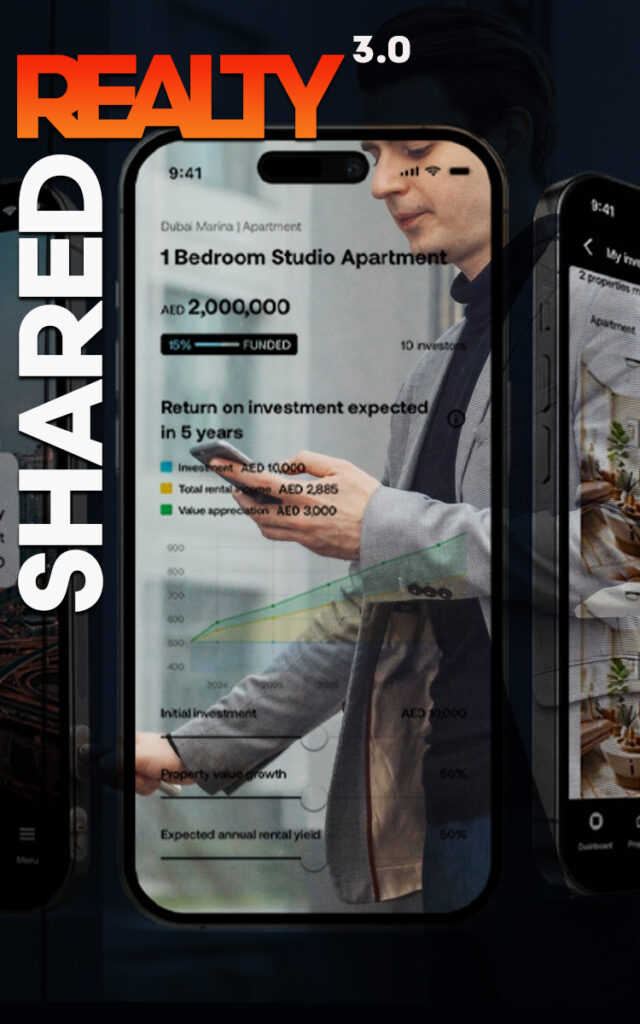
The Shared Economy: This vertical focuses on platforms that facilitate the shared use of real estate assets. Key features include:
- Short-Term Rentals: Platforms like Airbnb enable individuals to list and rent out their properties for short stays, disrupting the traditional hospitality industry.
- Workspace Sharing: Co-working spaces like WeWork provide flexible and shared office environments, catering to the needs of freelancers, startups, and larger companies seeking alternative workspace solutions.
- Optimization of Space Utilization: The shared economy model aims to maximize the use of existing real estate by connecting individuals and businesses with available space, potentially reducing vacancy rates.
Real Estate Fintech: This vertical leverages technology to improve the trading of real estate assets, including buying, selling, and financing. Key activities include:
- Research and Information: Platforms provide access to data and analytics, helping investors make informed decisions about buying, selling, and financing real estate.
- Online Marketplaces: Platforms connect buyers and sellers, facilitating property transactions and potentially reducing reliance on traditional intermediaries.
- Crowdfunding and Equity Raising: Platforms allow individuals and institutions to pool funds and invest in real estate ventures, democratizing access to investment opportunities.
- Mortgage and Lending Tech: Platforms streamline mortgage applications and loan origination processes, offering competitive rates and improved customer experiences.
These verticals are supported by three key horizontal activities, spanning across each vertical:
- Information Provision: Providing data, analytics, and insights to support decision-making and enhance transparency.
- Transactions/Marketplaces: Facilitating the buying, selling, and leasing of real estate assets through online platforms.
- Control/Management: Optimizing the operation and management of real estate assets through automation, data analysis, and technology-driven solutions.
Potential Impact and Challenges:
Proptech has the potential to significantly disrupt the real estate industry by:
- Improving Liquidity and Efficiency: Streamlining processes, reducing transaction costs, and increasing the speed of transactions.
- Enhancing Transparency: Providing greater access to data and analytics, enabling more informed decision-making.
- Optimizing Space Utilization: Maximizing the use of existing real estate assets through shared economy models.
- Facilitating New Business Models: Creating opportunities for innovative services and solutions, particularly within the shared economy and smart buildings sectors.
However, the sources also acknowledge potential challenges:
- Regulatory Uncertainty: The rapid pace of innovation in Proptech raises questions about regulatory frameworks and potential challenges in ensuring compliance and consumer protection.
- Resistance from Traditional Players: The real estate industry is traditionally conservative and resistant to change, which could hinder the adoption of new technologies.
- Data Security and Privacy: The reliance on data in Proptech solutions raises concerns about data security, privacy, and the potential misuse of sensitive information.
- Sustainability of Business Models: Some Proptech ventures, particularly within the shared economy, face questions about the long-term sustainability and profitability of their business models.
Future Outlook:
The sources suggest that Proptech is poised for continued growth and will likely reshape the real estate industry in the coming years. However, the long-term success of Proptech ventures will depend on their ability to:
- Address Regulatory Challenges: Navigate the evolving regulatory landscape and ensure compliance with data privacy and consumer protection laws.
- Collaborate with Traditional Players: Engage with established real estate companies to foster adoption and integrate technology into existing business models.
- Focus on Solving Real Problems: Develop solutions that address genuine customer needs and pain points, rather than solely focusing on technological novelty.
- Prioritize Data Security and Privacy: Implement robust measures to protect sensitive data and ensure compliance with privacy regulations.
The sources conclude that while Proptech faces challenges, it presents a transformative opportunity for the real estate industry. By embracing innovation and addressing key concerns, Proptech ventures can drive efficiency, transparency, and sustainability, ultimately shaping the future of real estate.
Examining Smart Buildings in Real Estate
“smart buildings” ,which utilize technology to enhance the operation and management of real estate assets. This encompasses both buildings that use technology platforms to improve their efficiency and buildings designed to support technology platforms, such as data centers and high-tech workspaces. The emergence of smart buildings reflects the growing integration of technology into the real estate sector, driven by factors like sustainability concerns, the rise of technology companies, and the demand for more efficient building management.
Key Aspects of Smart Buildings:
Energy Efficiency: Smart buildings prioritize sustainability by leveraging technology to optimize energy consumption. This may involve using sensors and automated systems to monitor and control heating, cooling, lighting, and other building services. Examples include smart thermostats like Nest, building automation systems from companies like Distech Controls and Honeywell, and intelligent energy management solutions that aim to minimize waste and reduce costs.
Data Collection and Analysis: Smart buildings rely on data to optimize their performance. Sensors and monitoring systems collect information about various aspects of the building, such as energy usage, occupancy patterns, and environmental conditions. This data can then be analyzed to identify trends, predict maintenance needs, and improve overall efficiency.
Connectivity and the Internet of Things (IoT): Smart buildings are increasingly connected through the Internet of Things (IoT), enabling seamless communication between various building systems and devices. This allows for remote monitoring and control of building functions, enhancing convenience and responsiveness.
Integration with Smart Cities: Smart buildings play a crucial role in the development of smart cities, which aim to improve urban living through technology. The data collected by smart buildings can contribute to city-wide initiatives, such as optimizing traffic flow, managing energy grids, and enhancing public safety.
Impact of Smart Buildings:
Sustainability and Environmental Benefits: By optimizing energy consumption and reducing waste, smart buildings contribute to a more sustainable built environment, lowering carbon emissions and promoting responsible resource management.
Cost Savings: Improved energy efficiency and automated building management can lead to significant cost savings for building owners and tenants, reducing operational expenses and enhancing financial performance.
Enhanced User Experience: Smart buildings offer occupants a more comfortable and convenient experience through features like personalized climate control, automated lighting, and intelligent security systems.
Increased Property Value: The integration of smart technology can increase the value of real estate assets by making them more attractive to tenants, reducing operating costs, and promoting sustainability.
Challenges and Considerations:
Implementation Costs: The initial investment required to implement smart building technologies can be significant, posing a barrier for some property owners.
Data Security and Privacy: The collection and use of data in smart buildings raises concerns about data security and privacy. It is crucial to implement robust security measures and ensure responsible data management practices.
Integration Complexity: Integrating different building systems and technologies can be complex, requiring specialized expertise and careful planning.
Interoperability: Ensuring that different smart building technologies can communicate and work together seamlessly is essential for realizing the full potential of a connected building environment.
Future Outlook:
The sources suggest that the smart building sector will continue to grow and evolve, driven by advancements in technology, increasing demand for sustainable solutions, and the rise of smart cities. Key trends to watch include:
Advancements in AI and Machine Learning: Artificial intelligence (AI) and machine learning will play an increasingly important role in optimizing building performance, automating tasks, and providing predictive insights.
Integration of Renewable Energy: Smart buildings will increasingly incorporate renewable energy sources, such as solar panels and wind turbines, to further enhance their sustainability and reduce reliance on traditional energy grids.
Focus on User-Centric Design: Smart building technologies will be designed with a greater focus on user experience, providing occupants with greater control over their environment and promoting well-being.
As technology continues to advance, we can expect smart buildings to become more sophisticated, integrated, and user-friendly, playing a vital role in creating a more efficient, sustainable, and connected built environment.
Examining the Potential of AI and Blockchain in Real Estate
Artificial Intelligence (AI) and Blockchain could shape the future of real estate, potentially leading to what they term “PropTech 3.0.” Although specific details about AI applications are limited, the sources emphasize the transformative potential of Blockchain, particularly in streamlining transactions and enhancing transparency in the traditionally opaque real estate sector.
Artificial Intelligence (AI)
- AI in Property Valuation: Source highlights the use of AI and machine learning by companies like HouseCanary to provide real-time property valuations, aiming to improve efficiency and transparency in the home buying process. This application could potentially reduce the reliance on traditional appraisals, which are often time-consuming and subject to human bias.
Blockchain
Blockchain as a Foundational Technology for PropTech 3.0: The sources emphasize Blockchain as a potential game-changer for the real estate industry, offering the possibility of secure, transparent, and efficient transactions without the need for intermediaries.
Impact on Real Estate Transactions: Sources suggest that Blockchain could revolutionize real estate transactions by:
Streamlining Processes: Enabling direct peer-to-peer transactions between buyers and sellers, potentially reducing the need for intermediaries like brokers and lawyers.
Enhancing Transparency: Providing a secure and immutable record of property ownership, transaction history, and other relevant data, increasing trust and reducing the risk of fraud.
Improving Efficiency: Automating various aspects of the transaction process, such as title transfers and payments, leading to faster and more cost-effective transactions.
Applications of Blockchain in Real Estate: Sources provide examples of ongoing projects exploring the use of Blockchain in real estate, including:
Land Registry and Title Management: Creating secure and transparent systems for recording and transferring property titles, reducing the risk of fraud and streamlining the process.
Lease Transactions: Facilitating direct lease agreements between landlords and tenants, potentially eliminating the need for intermediaries and automating rent payments.
Property Data Management: Creating a shared ledger for storing and managing property data, such as building maintenance records, planning history, and environmental information, improving transparency and accessibility.
Tokenization of Real Estate Assets: Enabling fractional ownership of real estate assets through tokenization, potentially increasing liquidity and accessibility for investors.
Challenges and Considerations
Technology Maturity: While Blockchain technology holds immense potential, it is still in its early stages of development. Issues related to scalability, security, and standardization need to be addressed before widespread adoption can occur.
Regulatory Uncertainty: The lack of clear regulatory frameworks for Blockchain applications in real estate poses challenges for businesses and investors. Governments and regulatory bodies need to establish guidelines to ensure responsible innovation and consumer protection.
Industry Adoption: Widespread adoption of Blockchain in the real estate industry requires buy-in from various stakeholders, including property owners, developers, brokers, lawyers, and financial institutions. Overcoming inertia and resistance to change within the traditional real estate sector is crucial.
Future Outlook
The sources paint an optimistic picture of the potential for AI and Blockchain to transform the real estate industry, leading to a more efficient, transparent, and accessible market. However, realizing this vision requires addressing key challenges, including technological advancements, regulatory clarity, and industry-wide collaboration.
Note: While the sources provide valuable insights, it is important to acknowledge that predictions about future technological advancements are inherently uncertain. The actual impact of AI and Blockchain on the real estate industry may differ from current projections. It is advisable to stay informed about developments in these fields and consult with experts to assess the potential implications for your specific situation.